
You have tried the creams, the oils, the cocoa butter, and the expensive serums, and the marks on your stomach, hips, thighs, or breasts look exactly the same. That is not a sign you did something wrong. Stretch marks sit deeper than most products can reach, which is why many people eventually look into a microneedling med spa in The Woodlands for a different kind of help.
Microneedling for stretch marks works below the surface, where the problem actually starts. This guide explains why stretch marks resist topical products, how microneedling works, which marks respond best, and what to expect from treatment.
Why Stretch Marks Resist Creams and Oils
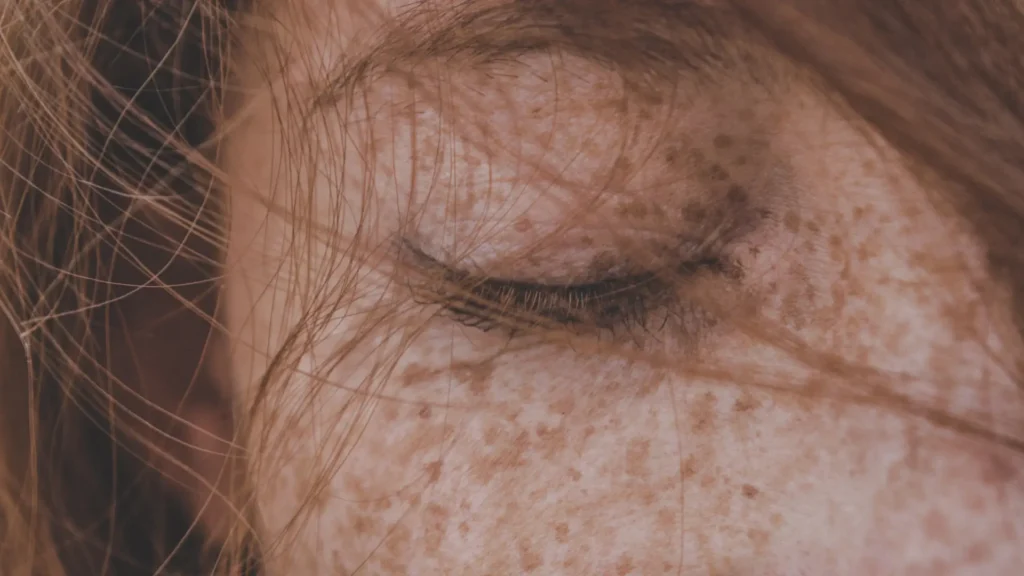
Stretch marks are a form of scarring in the dermis, the middle layer of your skin. When skin stretches quickly during growth, pregnancy, weight changes, or muscle gain, the collagen and elastin fibers in that layer tear and reorganize. The surface then looks thin, crinkled, or discolored.
Creams and oils mostly work on the outer layers. They can moisturize, but they cannot rebuild damaged fibers in the dermis. That gap explains why stretch marks often look unchanged after months of product use.
Red Stretch Marks and White Stretch Marks
Not all stretch marks are the same, and the type matters for treatment.
- Newer marks look red, pink, or purple. They are still active, with more blood flow and more recent collagen disruption
- Older marks look white, silver, or slightly sunken. They are mature scars with less blood supply and more settled tissue
Newer marks generally respond faster. Older marks can still improve, but they usually need more patience and more sessions.
How Microneedling for Stretch Marks Works
Microneedling uses a device with very fine needles that create tiny, controlled channels in the skin. Your body reads those channels as minor injuries and starts a repair process, producing fresh collagen and elastin in the treated area. This is why the treatment is also called collagen induction therapy.
Because stretch marks involve damaged collagen and elastin, stimulating new production in that layer is a logical way to improve the look and feel of the skin over time. The treatment does not remove stretch marks. It aims to soften their appearance by improving the quality of the skin around and within them.
What the Research Suggests
A 2024 systematic review of microneedling for stretch marks found initial evidence that it can improve their appearance while maintaining a generally favorable safety profile. Other studies compare microneedling with options like fractional lasers and report meaningful improvement in many participants.
It is worth reading that carefully. The evidence is encouraging, but protocols vary from study to study, and results differ from person to person. A good provider will not promise a specific outcome, and neither should you expect one.
What Microneedling Can and Cannot Do
Setting honest expectations makes the experience better.
- It can help improve texture, tone, and the overall look of stretch marks
- It can be used on areas such as the abdomen, hips, thighs, and breasts
- It cannot erase stretch marks completely
- Results build gradually over a series of treatments rather than after one visit
What Happens During a Session
Your first visit starts with a consultation, where your provider examines your skin, identifies the type of stretch marks you have, and checks that treatment is appropriate for you.
- Preparation. The area is cleansed, and a numbing cream is applied.
- Treatment. Your provider glides the microneedling device over the area in controlled passes. Most people describe a scratchy or vibrating sensation.
- Aftercare. A soothing product may be applied, and you receive instructions before you leave.
Treating larger areas takes longer than a small patch, and your provider will give you a realistic time estimate at your consultation.
How Many Sessions Are Typical
Stretch marks respond to cumulative collagen building, so a single session is rarely enough. Many plans use a series of treatments spaced about four weeks apart to give the skin time to repair between visits. Newer marks may need fewer sessions, and older marks often need more. Your provider will tailor the schedule to your skin and goals.
Downtime and Aftercare
Downtime is usually modest. Expect redness that resembles a mild sunburn, along with some tightness or dryness for a day or more. Your provider will tell you what to expect for your treatment settings.
To help your skin recover:
- Avoid direct sun and wear sunscreen on treated areas
- Keep the skin moisturized with gentle products
- Skip retinoids, exfoliating acids, and harsh scrubs until your provider says they are safe
- Avoid heavy sweating and swimming pools for the first couple of days
Preparation helps too, and our pre appointment skincare checklist covers what to do beforehand.
Who Should Wait or Ask First
Microneedling is not right for everyone. Tell your provider if any of these apply:
- Active skin infection, cold sores, or open wounds in the area
- Recent or current isotretinoin use
- A history of keloid or raised scarring
- Pregnancy or breastfeeding
- Blood thinning medication
When Microneedling Alone Is Not Enough
Some stretch marks are deep, wide, or very old, and a single method may not be the best fit. Your provider may suggest combining approaches, such as RF microneedling with Morpheus8, or a skin resurfacing treatment like Tixel. If you are comparing options, you can also ask the team about current Tixel specials in The Woodlands when you book a consultation. A consultation helps you match the right tool to your specific marks.
Stretch Mark Treatment at Rejuvé
At Rejuvé Wellness & Aesthetics, stretch mark treatment in The Woodlands starts with a skin assessment, not a one size plan. Our licensed, laser certified estheticians perform treatments, and Dr. Cilento, a double board-certified Facial Plastic Surgeon and ENT, serves as Medical Director. We welcome patients from The Woodlands, Montgomery, Conroe, and the Houston area looking for stretch mark treatment close to home.
Frequently Asked Questions
Can microneedling remove stretch marks?
It cannot erase them, but it can help improve their appearance. Results vary by person.
Does microneedling hurt
Most people feel scratching or vibration. Numbing cream is applied beforehand.
How many sessions will I need?
Many plans use a series spaced about four weeks apart. Your provider will set a schedule.
Do old stretch marks respond?
Older white marks can improve but usually take more sessions than newer ones.
Is there downtime?
Expect redness like a mild sunburn for a day or more. Your provider will explain aftercare.
Conclusion
Stretch marks resist creams because they are scars in the deeper layers of skin, not surface problems. Microneedling for stretch marks works at that deeper level by encouraging new collagen and elastin, which can help improve how the marks look and feel over a series of sessions. It will not erase them, and results vary, so honest expectations matter. If you are tired of products that do nothing, book a consultation and find out whether microneedling fits your skin.
Book a Microneedling Consultation
This article is for educational purposes only and is not medical advice. Individual results vary. Treatment decisions should be made with a licensed provider. Services are provided in person at our Texas locations in The Woodlands and Montgomery under provider supervision.

 By Heather Smith








No comment yet, add your voice below!