
Your skincare shelf is full, your routine is consistent, and your skin still looks the same as it did six months ago. That plateau is one of the clearest signs that a concern has outgrown what over the counter products can realistically fix, and it usually means it is time to bring in professional treatment instead of another serum.
For Skin Care patients at Rejuvé Wellness & Aesthetics, this is one of the most common reasons they first come in. Most people do not arrive because they skipped skincare altogether. They arrive because they have already done everything right at home and still need more.
Why At-Home Skincare Has a Ceiling
Drugstore and even higher end at-home products are made to be used safely without supervision, which limits how deep they can work and how strong their active ingredients can be. A retinol cream can support cell turnover on the surface, but it cannot reach deeper layers of skin the way a professional device can. A vitamin C serum can brighten mild dullness, but it cannot break up stubborn pigment that has settled deeper into the skin.
Your routine is not the problem here. Topical products at over the counter strengths can only go so far.
Deep Pigmentation That Won’t Fade
Sun spots, melasma, and post-inflammatory pigmentation that lingers for months are common reasons people turn to medical-grade skincare vs drugstore options. If brightening serums have plateaued and the pigmentation is not visibly improving after several months of consistent use, that pigment has likely settled into a layer of skin that topical products cannot reliably reach.
Professional treatments like IPL / Laser target pigment directly using light energy, which is why they tend to outperform topical brightening products for stubborn discoloration.
Texture That Doesn’t Respond to Exfoliation
Bumpy texture, enlarged pores, and rough patches often get blamed on insufficient exfoliation, so people add more scrubs and acids to their routine. But texture concerns are frequently tied to collagen quality deep in the skin, not just the surface layer that exfoliation affects.
This is where treatments like Microneedling and Morpheus8 RF come in. Both work below the surface to stimulate collagen production, which is something no at-home tool can safely replicate.
Scarring That Skincare Alone Can’t Smooth
Acne scarring, whether shallow or deep, is one of the concerns most resistant to at-home products. Scar tissue sits below the surface, and creams designed for surface hydration or mild exfoliation are not built to reach or remodel it.
Professional resurfacing options such as Tixel work by creating controlled, precise changes in the skin’s structure, which is a fundamentally different mechanism than anything applied topically at home.
Unwanted Hair That Keeps Coming Back
With unwanted hair, the issue is less about product strength and more about how the hair is being removed. Shaving, waxing, and at-home devices only ever address hair at or above the skin’s surface. Laser Hair Removal targets the hair follicle itself, which is why it can reduce regrowth over time in a way that no razor or home IPL device can match consistently.
When a HydraFacial Might Be the Right Middle Ground
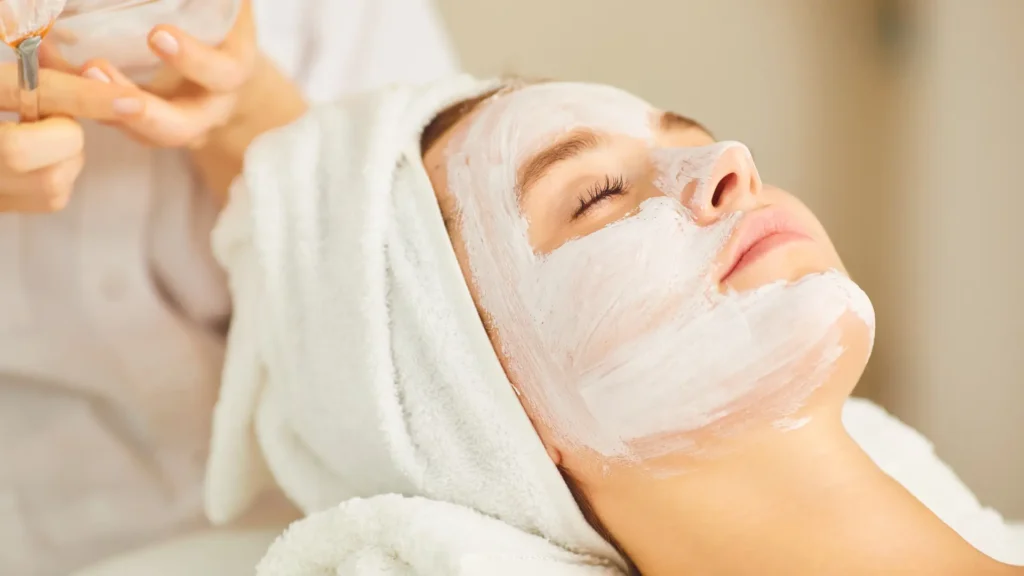
Not every concern requires an intensive resurfacing treatment. If your skin just looks tired, congested, or dull despite a decent routine, Hydrafacial offers a professional deep clean and hydration boost without the downtime of more intensive treatments, and it is often a good starting point before deciding whether something stronger is needed.
Signs It’s Time to See a Professional
A few patterns tend to show up consistently in people who are ready to move from at-home care to professional treatment:
- You have used the same category of product consistently for 3 months or more with no visible change
- Your concern is getting worse rather than better despite following product instructions correctly
- The issue involves pigment, scarring, or texture rather than simple dryness or occasional breakouts
- You find yourself layering more products to compensate for results that never fully arrive
- You are not sure what is actually causing the concern, and guessing has not worked
What a Professional Assessment Actually Adds
A consultation with a licensed provider is really about figuring out what is going on with your skin, which is something no amount of product shopping can tell you. A provider can look at your skin under proper lighting, ask about your history with the concern, and identify whether what you are dealing with is pigment, scar tissue, textural change, or something else entirely. That distinction matters because the right treatment for pigmentation is not the same as the right treatment for scarring or texture, even though all three can look similar to the untrained eye.
This is also where medical-grade skincare vs drugstore products becomes a meaningful comparison rather than just a marketing phrase. Medical-grade lines typically use higher concentrations of active ingredients than most over the counter products, and they are often paired with in-office treatments rather than sold as a standalone fix. A provider can recommend the right combination of professional treatment and take-home product based on what your skin actually needs, rather than you guessing from a shelf of options that all claim to do the same thing.
Moving Past the Plateau
At-home skincare does a great job with maintenance, prevention, and mild concerns. It just has limits. Deep pigmentation, textural changes, scarring, and stubborn hair growth usually need tools and technology you cannot buy over the counter, and that has nothing to do with how well you have kept up with your routine. If your skin has stalled even though you are doing everything right, the next step is not another product. It is a professional assessment.
Frequently Asked Questions
How do I know if my skincare routine has actually plateaued?
If you see no visible change after 3 months of consistent use, your routine has likely reached its limit for that concern.
Is medical-grade skincare the same as drugstore skincare, just more expensive?
No. Medical-grade products and professional treatments use higher concentrations and technology not available in over the counter formulas.
Do I need to stop my at-home routine if I start professional treatments?
No. Most patients continue a simplified at-home routine alongside professional treatments for the best results.
Can professional treatments fix pigmentation faster than serums?
Yes, in most cases. Treatments like IPL target pigment directly, while serums work more gradually on the surface.
How do I know which professional treatment is right for my concern?
A consultation is the best way to match your specific concern, whether pigmentation, texture, or scarring, to the right treatment.
This blog post is for educational purposes only and is not intended as medical advice. Individual results vary. Please consult a licensed provider to determine the right treatment plan for your skin.

 By Heather Smith







No comment yet, add your voice below!